


Quick Answer: The 10 most common dog skin problems are skin tags, skin cancer, dry and itchy skin, allergies, bacterial and yeast infections, skin bumps and lumps, color or texture changes, rashes, mites (mange), and fleas and ticks. Each has visible signs — the pictures below help you identify what your dog is dealing with. Spotting them early is key to preventing symptoms from getting worse.
Most people know that dogs can get sick and injured, but many don't realize that dogs can also develop skin problems that need treatment. Skin conditions such as rashes and allergies are very common — and while dogs don't get Rosacea or Psoriasis the way humans do, they do develop allergies and skin infections just like we do.
One health issue that often goes undetected is the early onset of a skin condition. This guide walks through the 10 most common dog skin problems with pictures, so you can recognize the symptoms early and know when to see a vet.
Important Discovery: While treating skin problems on the surface helps temporarily, veterinarians are now recognizing that many chronic skin conditions in dogs actually start from the inside — specifically, in the gut and immune system. If your dog's skin issues keep coming back no matter what you try, this could be why.
1. Dog skin tag

A dog skin tag is a small, benign growth on the skin that usually consists of skin cells hanging together around a piece of keratin. These slow-growing fibrous tissue growths are most common on older dogs and often appear on the dewlap (the loose, wrinkly skin around the neck), eyelids, ears, and under the armpits. While these growths are easy to confuse with ticks, warts, or cancerous growths, they don't pose any threat to your dog's health. Still, have a veterinarian check them to determine the cause. Once you know the reason for the growth, your vet can recommend the right treatment — whether it's a simple removal or a minor surgical procedure, depending on the size and location of the skin tag.
Symptoms: Small, soft growths attached to the skin, usually painless
Common causes: Age, friction, genetics
When to worry: If the skin tag grows rapidly, changes color, bleeds, or becomes painful
The Hidden Connection Between Your Dog's Gut and Their Skin
If you've noticed your dog dealing with recurring skin problems — constant itching, hot spots, inflamed patches, or mysterious rashes that come and go — you're not alone. But here's something most dog parents don't realize: these skin issues often aren't actually skin problems at all.
Research shows that up to 70% of your dog's immune system lives in their gut. When the gut lining becomes inflamed or compromised (often called "leaky gut"), it triggers an overreactive immune response that shows up as skin inflammation, allergies, and chronic itching.
This is why so many treatments fail. Medicated shampoos, steroids, and even expensive prescription medications often only mask symptoms temporarily, because they're treating the surface problem, not the root cause.
What's Really Happening Inside Your Dog
When your dog's gut health is compromised, their immune system starts attacking harmless triggers like pollen, grass, or certain foods. This overreaction creates a cascade of inflammation that shows up on the skin as:
- Constant paw licking and chewing
- Red, inflamed patches
- Hot spots that won't heal
- Ear infections that keep returning
- Hair loss and flaking
The good news? Supporting your dog's gut and immune system can help break this cycle from the inside out.
Nature's Original Immune Builder: Colostrum
Colostrum is the nutrient-dense "first milk" that mother dogs produce in the first 72 hours after giving birth. It's packed with antibodies, immune-signaling molecules, and growth factors specifically designed to:
- Repair and strengthen the gut lining
- Regulate immune system responses
- Reduce inflammation throughout the body
- Support natural healing from allergies and skin conditions
Unlike medications that suppress symptoms, bovine colostrum works with your dog's natural biology to restore balance. It teaches the immune system what NOT to attack, helping to calm the overreaction that causes so many skin problems.
Learn More About RUBOLD Colostrum for Dogs →
2. Dog skin cancer
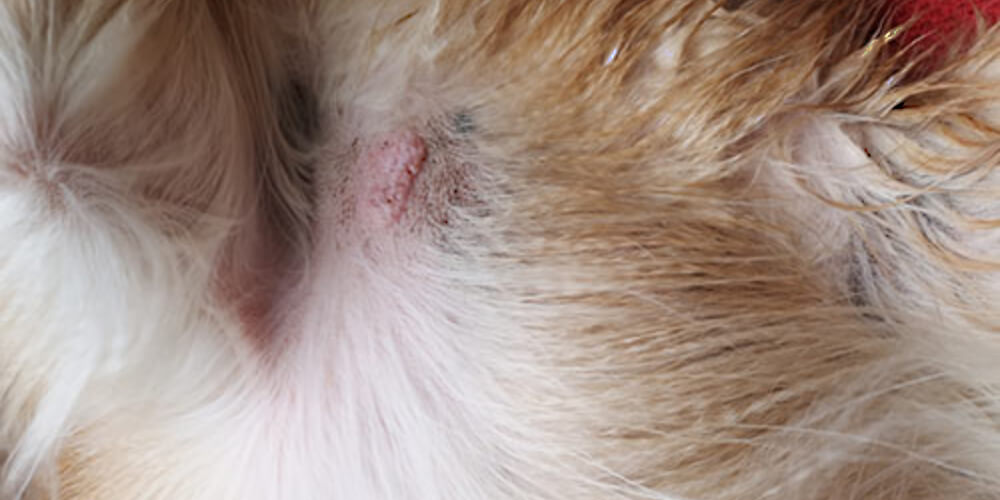
A dog's skin is thinner than ours, which makes it more vulnerable to the effects of ultraviolet radiation from the sun as well as minor skin trauma. Skin cancer in dogs — like any other type of cancer — can be fatal. Because it's so frequently found on the face, an overgrown or malignant tumor can cause blindness by obstructing a dog's vision. Other symptoms are just as worrisome, especially when they occur in other parts of your dog's body.
"When Lee was a puppy, skin cancer wasn't on my radar. It wasn't until a few months after he turned two that I noticed a small patch of skin on his ear was looking unusual. It wasn't red, it wasn't swollen, but it didn't look like the rest of his skin. I took him to the vet, and the diagnosis was skin cancer."
The type of skin cancer this owner mentioned — the one that grew on his dog's ear — is called melanoma. Melanoma is the most common form of skin cancer in dogs. It tends to be malignant, meaning if it's left untreated, it can spread to other parts of the body. Skin cancer is the most common form of cancer in dogs, and it can be completely cured if caught early. The first sign that something serious may be going on is when a lump develops on or under the skin, often on the chest or back. If you notice a lump on your dog, get to a veterinarian as quickly as possible.
Symptoms: Lumps, sores that don't heal, color changes, bleeding lesions
Common causes: Genetics, UV exposure, abnormal cell growth
When to worry: Immediately if a lump grows quickly, bleeds, or changes shape or color
3. Dry and itchy dog skin

Dry and flaky skin can be a dog's worst nightmare — and an owner's too. If you've ever had dry, flaky skin yourself, you know how uncomfortable it can be. Dogs can suffer from the same issue. It can happen due to allergies, bacterial, fungal, or yeast infections, and seasonal changes can also bring these symptoms on.
What is dry skin? Skin dryness (or xerosis) is a common condition characterized by tightness, scaling, flaking, and itching. The most common causes of dry skin in dogs are: low humidity, harsh detergents, frequent bathing or bathing with the wrong shampoo, low sebum production, and other factors. Feeding your dog high-quality food can solve this problem, and sometimes fatty acid supplements are needed to support digestion. As an external solution, use a gentle, natural dog shampoo to moisturize your dog's skin.
Symptoms: Flaky skin, frequent scratching, dull coat
Common causes: Dry air, poor nutrition, allergies, excessive bathing
When to worry: If itching leads to hair loss, sores, or chronic discomfort
4. Dog skin allergies

When your dog develops an allergy, it can be difficult to know how to treat it. It's not exactly like you can ask them where it itches. Fortunately, if you know what to do, you can make life a little easier for your furry best friend. With an estimated 10% of dogs suffering from allergies, it's no surprise they're a common problem. Some breeds — such as the Golden Retriever — are more prone to allergies than others.
Luckily, there are several ways to treat dog skin allergies. In most cases, you'll notice red bumps on your dog's skin that then blister and turn into scales. These scales can bleed, leading to more itching and scratching. Scratching leads to more irritation, more scales, and the cycle continues.
The majority of dog skin allergies are caused by specific environmental elements and food. If your dog is constantly scratching, licking, and biting at their fur — and you know they're not sick — they likely have an allergy. Dogs can react to a wide range of things: pollen, dust mites, non-natural grooming products, even your laundry detergent. Allergies can be managed with corticosteroids prescribed by your vet, or by identifying and avoiding the specific allergen.
Symptoms: Constant itching, paw licking, red or inflamed skin
Common causes: Food sensitivities, pollen, dust mites, environmental allergens
When to worry: If itching is persistent or causes open sores
Why Traditional Allergy Treatments Keep Failing
If you've tried Apoquel, Cytopoint, antihistamines, elimination diets, special shampoos — or all of the above — and your dog's allergies keep coming back, you're experiencing what thousands of dog parents face: the cycle of symptom suppression.
Here's what's really happening:
Most allergy medications work by shutting down the immune response. They're essentially turning down the "alarm system" without fixing the faulty wiring that's causing the alarm to go off in the first place. This is why:
- The itching returns when the medication wears off
- You're trapped in expensive monthly treatments
- Side effects become a growing concern
- Your dog never truly gets better
The Immune Re-Education Approach
Instead of suppressing your dog's immune system, what if you could help retrain it?
Colostrum contains natural immune-signaling factors that teach the immune system to differentiate between real threats and harmless triggers. It doesn't shut down immunity — it helps balance and regulate it.
This is fundamentally different from everything else you've tried because it:
- Addresses the gut-immune connection at the root
- Supports long-term balance, not temporary relief
- Works alongside your dog's natural biology
- Reduces dependency on medications over time
Many dog parents report visible improvements in allergy symptoms, scratching, and inflammation within 2-4 weeks of consistent use — and unlike medications, these improvements tend to build over time rather than fade.
How RUBOLD Colostrum Supports Allergy Relief →
5. Dog skin infection

If your dog is scratching and licking, you might be able to stop the discomfort with a simple treatment. Skin parasites, allergies, and yeast infections often cause itchy and inflamed skin in dogs. Bacteria, parasites, and yeast infections are common causes of canine skin inflammation. When your dog's skin gets inflamed from some type of infection or irritation, the natural reaction is to scratch — and the itching-scratching cycle can cause hair to fall out and skin sores to develop. Fortunately, many types of skin infections are easily treatable.
Dog skin yeast infection is caused by an overgrowth of a naturally occurring fungus known as Malassezia. It occurs when the yeast naturally present on a dog's skin grows out of control, causing an infection. Common symptoms include red, itchy skin, dryness, flaking, and hair loss, and these can develop into secondary bacterial infections. If you suspect your dog has a yeast infection, take them to the vet. A swab test will confirm the infection, and your vet will prescribe the right treatment (medicated sprays, oral medications, or medicated shampoos).
Symptoms: Redness, swelling, discharge, odor, itching
Common causes: Bacteria, yeast overgrowth, untreated wounds or allergies
When to worry: If infection spreads, worsens, or causes pain or fever
Breaking the Infection-Inflammation Cycle
Notice how your dog's skin infections keep coming back, even after antibiotics and medicated treatments? This isn't bad luck — it's because the underlying immune dysfunction and gut inflammation that allowed the infection to take hold in the first place were never addressed.
Think of it like this: if your home's foundation is cracked, you can repaint the walls all you want, but the cracks will keep coming back. Your dog's gut lining is that foundation.
Supporting Immune Resilience From Within
A healthy gut lining acts as your dog's first line of defense against bacteria, yeast, and other pathogens. When that lining is compromised, your dog becomes vulnerable to recurring infections — not just on their skin, but in their ears, paws, and other areas.
Colostrum provides the building blocks to:
- Strengthen and repair the gut barrier
- Support natural antimicrobial defenses
- Reduce systemic inflammation that creates infection-prone conditions
- Help the body fight off infections more effectively
This doesn't replace veterinary care when infections occur — but it helps create the internal environment where your dog's body can defend itself and heal properly.
See How RUBOLD Colostrum Supports Immune Health →
6. Dog skin bumps and small lumps under the fur
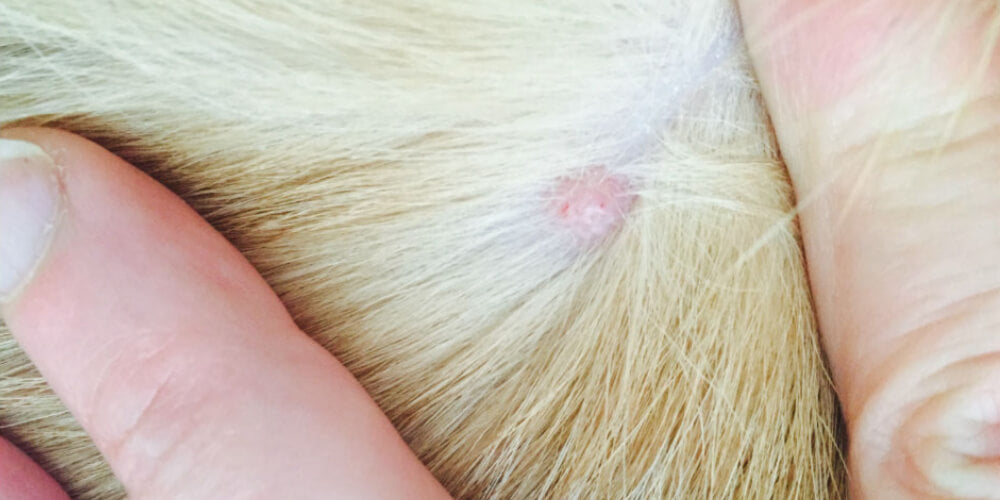
When you find a bump on your dog's skin, you might be tempted to squeeze it. But it's best not to touch a wart or other growth — you can cause complications, including infection. Instead, take your dog to the vet, who can remove the growth with safe and effective medication. While dog warts are usually benign, it's important to have a vet identify and treat them right away. If left untreated, warts can lead to more serious infections.
If you're concerned about a change in your dog's skin, first look at the whole dog to get a sense of what the problem might be. If there's a red, swollen area somewhere on your dog's skin, that could be a sign of ringworm — a common fungal infection in dogs that causes a circular, ring-shaped lesion. The most common places to find ringworm on a dog are the ears, but it can also appear on the groin, tail, armpits, and feet. Your dog may have a bacterial infection if they have a yellow, pus-filled bump, and if you see a black dot in the center of the lesion.
Small bumps on your dog's skin: what they might be
Finding several small bumps on your dog's skin — often felt through the fur before you can see them — is one of the most common concerns dog parents bring to the vet. Small bumps can appear anywhere: the back, belly, chest, or head. Common causes include:
- Folliculitis — inflamed hair follicles, often looking like small red or dark bumps
- Sebaceous cysts — small, firm lumps filled with a thick, waxy substance
- Insect bites or stings — usually raised, red, and may cause the dog to scratch or chew
- Allergic reactions — clusters of small bumps that appear suddenly, often after exposure to a new food, plant, or product
- Fatty tumors (lipomas) — soft, movable bumps under the skin, most common in older dogs
- Sebaceous gland hyperplasia — small, wart-like bumps in older dogs, usually harmless
Certain breeds seem more prone to small skin bumps. Shih Tzus, Golden Retrievers, and Poodles are often brought in with these concerns due to their coat texture and skin sensitivity. Most small bumps are benign, but any bump that grows quickly, bleeds, changes color, or feels hard should be checked by a vet.
Symptoms: Raised lump or swelling under or on the skin, sometimes only felt through the fur
Common causes: Cysts, lipomas, insect bites, folliculitis, tumors
When to worry: If the bump grows, hardens, bleeds, or changes shape
7. Color or texture change on your dog's skin

Sometimes your dog's skin changes color or texture — you may notice black spots on the belly, brown patches on the skin, or the skin starting to darken. There can be a variety of reasons for this, from serious illnesses to benign conditions. Understanding the underlying cause is important in determining the right treatment for your dog.
For example, if your dog has discolored skin from a parasitic infestation, treating the infestation is the priority. But skin color changes can also result from hormonal conditions or metabolic issues. As veterinary medicine advances, more options exist for treating genetic conditions, hormonal disorders, and skin issues. That's why it's important to bring your pet to a thorough veterinarian who doesn't guess but can provide the best possible care based on proper diagnostics. A simple blood test is often enough to reveal what's going on.
Common patterns to watch for include: black spots on a dog's skin (which can indicate hyperpigmentation from chronic irritation), white spots on a dog's skin (sometimes vitiligo, sometimes fungal infections), and gradual darkening or thickening (often chronic inflammation or endocrine issues).
Symptoms: Darkened skin, thickening, rough or scaly texture, spots or patches
Common causes: Chronic inflammation, hormonal imbalance, long-term allergies
When to worry: If changes are sudden or spread rapidly
8. Dog skin rash

Owning a dog is already a big commitment, and owners are often left wondering why their dog's skin rashes keep appearing. The reason is that dogs are exposed to a lot of different things every day. Some of the most common causes of dog skin rashes are allergies, atopy, parasites, and skin infections.
Even though dogs have fur to protect them from the outside world, their skin is still very much exposed to the elements. Even a seemingly mild sunburn can be harmful to dogs, because dogs don't have the natural protection humans do — their skin is very sensitive. Rashes are actually quite normal for dogs and happen for many reasons. Most dog skin rashes from dry skin and allergies are not dangerous. But if you suspect mange or another skin problem, contact your vet.
Symptoms: Red patches, bumps, itching, irritation
Common causes: Allergic reactions, contact with irritants, parasites
When to worry: If the rash spreads, becomes painful, or does not improve
Rashes on your dog's belly or inner thighs
One of the most common places rashes appear on dogs is the belly, groin, and inner thighs. This is because:
- These areas have thinner skin and less fur, making them more visible and more vulnerable
- They come into direct contact with grass, chemicals, and irritants when your dog lies down
- Moisture and heat get trapped in these areas, encouraging bacteria and yeast growth
- Allergic reactions often show up here first because of the thin skin
If you notice red, pink, or bumpy patches on your dog's belly or inner thighs, common causes include contact allergies (from grass, cleaning products, or fabrics), yeast infections (which often have a musty smell), heat rash, or bacterial infections. Keeping the area clean and dry helps in most cases — but if the rash lasts more than a few days, spreads, or seems painful, a vet visit is the next step.
When Rashes Won't Go Away: The Gut-Skin Axis
Your dog's skin is their largest organ, and it's directly connected to what's happening inside their body. If your dog deals with recurring rashes, red patches, or unexplained inflammation, their body is trying to tell you something deeper is going on.
Veterinary dermatologists are increasingly recognizing the "gut-skin axis" — the direct communication pathway between digestive health and skin conditions. Studies show that dogs with chronic skin problems often have:
- Imbalanced gut bacteria (microbiome disruption)
- Increased intestinal permeability ("leaky gut")
- Chronic low-level inflammation throughout the body
- Overactive immune responses to normal triggers
This explains why topical treatments and symptom-suppressing drugs provide only temporary relief. They're not addressing the communication breakdown happening between your dog's gut and their immune system.
Restoring Balance Naturally
Colostrum is nature's way of "rebooting" immune function and gut integrity. It contains:
- Immunoglobulins (IgG): Antibodies that support immune balance
- Growth factors: Compounds that help repair damaged gut lining
- Proline-rich polypeptides (PRPs): Molecules that regulate inflammatory responses
- Lactoferrin: A natural antimicrobial that supports healthy gut flora
Together, these components work to restore the gut-immune-skin connection, often resulting in clearer skin, reduced inflammation, and fewer allergic flare-ups — without the side effects of long-term medication use.
Give Your Dog Natural Immune Support with RUBOLD Colostrum →
9. Dog skin mites and mange

It's not uncommon for dogs to have mites living under the skin, and these skin mites can cause allergies and a number of other issues if left unchecked. The good news is they're easy to treat, and the process can be as painless as using a topical medicated spray.
What are dog skin mites? Dog skin mites are tiny parasites that live in the hair follicles of dogs. Adult mites are about the size of the head of a pin, and their eggs are even smaller — often microscopic. The mites themselves are invisible to the naked eye and actually play a role in normal skin health. In fact, mites are present on all dogs, but they only cause problems when their numbers get too high.
When a dog becomes infested with mites, there's usually a lot of itching, as the mites feed on the dog's skin cells and blood. It's important to take action quickly if you see signs of a mite infestation, as untreated cases can cause serious skin damage. Demodectic mange (from Demodex mites) is not contagious between animals or people, but it can cause hair loss and irritated skin. Sarcoptic mange (scabies), on the other hand, is highly contagious.
Symptoms: Hair loss, intense itching, scaly or crusted skin
Common causes: Mite infestation such as demodectic or sarcoptic mange
When to worry: If hair loss worsens or skin becomes infected
10. Fleas and ticks on a dog's skin

All dogs are susceptible to fleas and ticks. While most dogs handle a few fleas without much trouble, ticks are a different story. Ticks and fleas are arthropods — meaning they have a hard outer skeleton (an exoskeleton) that they shed to grow. They're carnivores and feed on the blood of their host to grow and survive.
Not all ticks are the same. There are over 2,000 species of ticks on planet Earth, hundreds in the United States alone, and only about 10 species are known to feed on humans. Ticks and fleas are most commonly associated with dogs, but they can affect other animals too.
The problem isn't just that ticks and fleas live on dogs — they also bite them, and can transmit serious diseases like Lyme disease, ehrlichiosis, and Rocky Mountain spotted fever. Fortunately, there are many ways to protect your dog. Start by treating your dog and their bedding with a monthly flea and tick preventative, available at any pet store. For more serious protection, ask your vet — there are prescription options (like NexGard or Bravecto), collars, drops, and even ultrasonic devices.
Symptoms: Scratching, red bumps, visible parasites, scabs
Common causes: Exposure to infested environments or other animals
When to worry: If infestation is heavy or causes skin infections or anemia
When should you visit the vet for dog skin problems?

You probably don't need to rush your dog to the veterinarian every time they have a skin issue — but there's no harm in having your dog examined if you're unsure. And while you're there, have your vet check for signs of a more serious underlying condition. For example, a dog with what looks like a simple skin condition — red, flaky patches — may actually be suffering from a serious internal disease.
See a vet if you notice any of these signs: persistent itching that keeps your dog up at night, hair loss in patches, hot spots that don't heal, changes in skin texture or color, any lump that grows quickly, or open sores. Early intervention almost always leads to a better outcome — and can save you months of trial and error.
A Different Approach to Dog Skin Health
If you've been dealing with your dog's skin problems for months or even years, you've probably heard yourself say, "I've tried everything, and nothing works."
But here's the truth: you haven't failed. You were just aiming at the wrong target.
Most skin treatments focus on the symptom — the rash, the itch, the infection — rather than asking why your dog's immune system is overreacting in the first place. This is why the problems keep coming back.
What Thousands of Dog Parents Are Discovering
Supporting your dog's gut health and immune balance isn't just another supplement to try — it's addressing the biological foundation that determines whether your dog will suffer from chronic skin issues or thrive with healthy, comfortable skin.
Dog parents who add daily colostrum support often report:
- Reduced scratching and paw licking within 2-4 weeks
- Fewer allergy flare-ups during peak seasons
- Better coat condition and less flaking
- Reduced dependency on medications and vet visits
- A happier, more comfortable dog overall
RUBOLD Pure Colostrum Powder is made from 100% grass-fed, bovine colostrum with 25% IgG content — the same immune-building nutrition that nature designed to protect newborn mammals. It's:
- Free from fillers, flavors, and artificial additives
- Human-grade quality, lab-tested for purity
- Safe for daily, long-term use
- Easy to mix with any type of food
We know you've been disappointed before. That's why we offer a no-questions-asked refund policy. Try RUBOLD Colostrum for 30 days. If you don't see a noticeable improvement in your dog's skin health, comfort, and overall well-being, simply contact us for a full refund.
You have nothing to lose except the constant worry about your dog's suffering.
Try RUBOLD Colostrum Risk-Free →
Frequently Asked Questions About Dog Skin Problems
What are the most common dog skin problems?
The most common dog skin problems include skin tags, skin cancer, dry and itchy skin, allergies, bacterial and yeast infections, skin bumps and lumps, color or texture changes, rashes, mites (mange), and fleas and ticks. These conditions often cause itching, redness, hair loss, or flaky skin.
Why does my dog have small bumps on his skin?
Small bumps on a dog's skin are usually caused by folliculitis (inflamed hair follicles), sebaceous cysts, insect bites, allergic reactions, or fatty tumors (lipomas). Most are benign, but bumps that grow quickly, bleed, or feel hard should be checked by a vet.
What causes a rash on my dog's belly or inner thighs?
Rashes on a dog's belly and inner thighs are usually caused by contact allergies, yeast infections, heat rash, or bacterial infections. These areas have thin skin, less fur, and trap moisture — which makes them more prone to irritation.
What do black spots on my dog's skin mean?
Black spots on a dog's skin often indicate hyperpigmentation, which can be caused by chronic inflammation, hormonal changes, or long-term allergies. In most cases, they're harmless, but sudden or rapidly spreading dark spots should be evaluated by a vet.
What do white spots on my dog's skin mean?
White spots on a dog's skin can be caused by vitiligo (loss of pigment), fungal infections, or old scars. Vitiligo is not dangerous — but if the spots are itchy, scaly, or spreading, they may indicate a fungal infection that needs treatment.
Are dog skin tags something to worry about?
Most dog skin tags are benign and don't cause any health problems. However, if a skin tag grows quickly, changes color, bleeds, or becomes painful, you should have it checked by a vet to rule out more serious growths.
Can dog skin problems go away on their own?
Some mild dog skin issues may improve on their own, but many require proper care to prevent worsening. Persistent itching, sores, or hair loss should not be ignored.
When should I take my dog to the vet for skin problems?
You should see a vet if your dog's skin symptoms last longer than a week, worsen, or include pain, bleeding, swelling, or infection. Sudden lumps or rapid skin changes should be checked immediately.
Can diet cause skin problems in dogs?
Yes, diet can play a major role in dog skin health. Food sensitivities or nutrient imbalances can lead to itching, dryness, inflammation, and recurring skin issues.
Are parasites a common cause of dog skin issues?
Parasites such as fleas, ticks, and mites are a common cause of itching, rashes, and skin infections in dogs. Regular prevention helps reduce parasite-related skin problems.
Is itchy skin always caused by fleas?
No, itchy skin is not always caused by fleas. Allergies, dry skin, infections, hormonal imbalances, and environmental irritants can also trigger itching.
How can I help support my dog's skin health?
Supporting your dog's skin health may include proper nutrition, gentle grooming, parasite prevention, and maintaining a healthy skin barrier. Identifying the underlying cause is key to long-term improvement.
Can dog skin problems become serious if untreated?
Yes, untreated skin problems can lead to infections, chronic discomfort, and long-term skin damage. Early identification and proper care help prevent complications.
My Maltese/Shitzu has developed a sore/scab on his neck, it doesn’t seem to irritate him & his behavour hasn’t changed. What can this be?
Thankyou